
איבער אַ גלייַך צווייפל

.jpeg)


Language


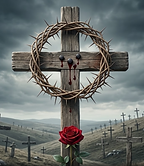


Together, these passages emphasize that outward observance of sacred days should not be used to judge or divide believers.
This comes from the New Testament in Colossians 2:16–17:
"One person considers one day more sacred than another; another considers every day alike. Each of them should be fully convinced in their own mind. Whoever regards one day does so to the Lord."
Together, these passages emphasize that outward observance of sacred days should not be used to judge or divide believers.
The interpretation that Colossians 2:16–17 addresses outsiders judging Gentile believers for keeping God’s instructions—rather than for failing to keep them—is a distinct and well-documented exegetical view. It is primarily held within Messianic, Torah-observant, and certain Seventh-day Sabbath-keeping traditions.
This argument rests on several key contextual and grammatical points within Colossians
2: The Opponents Promoted Pagan Asceticism, Not Torah: In Colossians 2:8, 20–23, Paul condemns "philosophy and empty deceit, according to human tradition," the "basic principles of this world," the "worship of angels," and harsh bodily asceticism ("Do not handle, Do not taste, Do not touch"). Proponents of this view point out that these rules are pagan/proto-gnostic ascetic philosophy rather than biblical Torah instructions.
Judging the Celebration Itself: In the original Greek, verse 16 refers to judging someone en brōsei kai en posei ("in eating and in drinking"). Because biblical festivals and Sabbaths involve feasting and rejoicing, this reading argues that the ascetic heretics were mocking or criticizing the Colossian believers for enjoying food, wine, and celebrations on God’s appointed feast days, new moons, and Sabbaths instead of practicing fasting and bodily self-denial.
The "Body of Christ" Clause (v. 17): In the Greek text of verse 17, the word is does not appear; it literally reads: "which are a shadow of things to come, but the body [is] of Christ" (or Messiah). Under this reading, Paul’s sentence connects verse 16 directly to verse 17: "Let no one judge you... but [let] the body of Christ." In other words, don't let outside pagan philosophers or critics judge your observance; let only the community of believers (the Body of Messiah) hold you accountable.
Present-Tense Shadows: In Colossians 2:17, Paul writes that these days are (estin, present tense) a shadow of things to come. Proponents note that Paul did not say they were a past shadow that ceased, but that the feasts continue to outline prophetic events yet to be fulfilled.